
How to Avoid Impulse Buying Online and Protect Your Budget
Impulse buying almost never begins with the “Place order” button. The real setup happens earlier, when a store makes urgency feel like a genuine need. To avoid that trap, use a simple process: spot the triggers, pause, limit how you use your card, and know when to cancel or dispute a charge. This guide focuses on online purchases. It doesn’t cover payment plans for other types of debt or negotiating a credit card bill.
Key takeaways
- Pause for a few minutes before paying, and only buy the item if it still makes sense afterward.
- Review the cart’s final total, including shipping and fees, before completing the purchase.
- If you made an impulse purchase, contact the store or your card issuer as soon as you realize the mistake.
- Purchases made outside a physical store may be covered by a legal cancellation period, so keep your receipts and confirmation numbers.
- Saved card details and fast checkout make unplanned spending more likely, so add friction to the checkout process.
What Usually Triggers Impulse Buying Online
Online impulse buying often starts in a setting built to hurry you along. Countdown timers, limited-time shipping offers, flash sales, and low-stock alerts create fear of missing out, nudging you to buy before you’ve identified a real need. In that moment, your cart becomes a place to act on emotion instead of making a clear-headed decision.
The clearest sign is what happens when you go online to research one specific item and suddenly find yourself browsing like you’re passing a store window display. If you come up with the justification after choosing the product, impulse has already taken hold. Another warning sign is worrying about missing a deal you never intended to pursue. The store’s urgency has started making the decision for you.
It helps to distinguish purposeful shopping from shopping for entertainment. With purposeful shopping, you have a specific item, a price range, and a job for it in mind. Endless browsing works differently: the site or app keeps serving up more choices than you need, and every extra click makes it easier to buy something outside your budget.
How to Stop a Purchase When the Impulse Hits
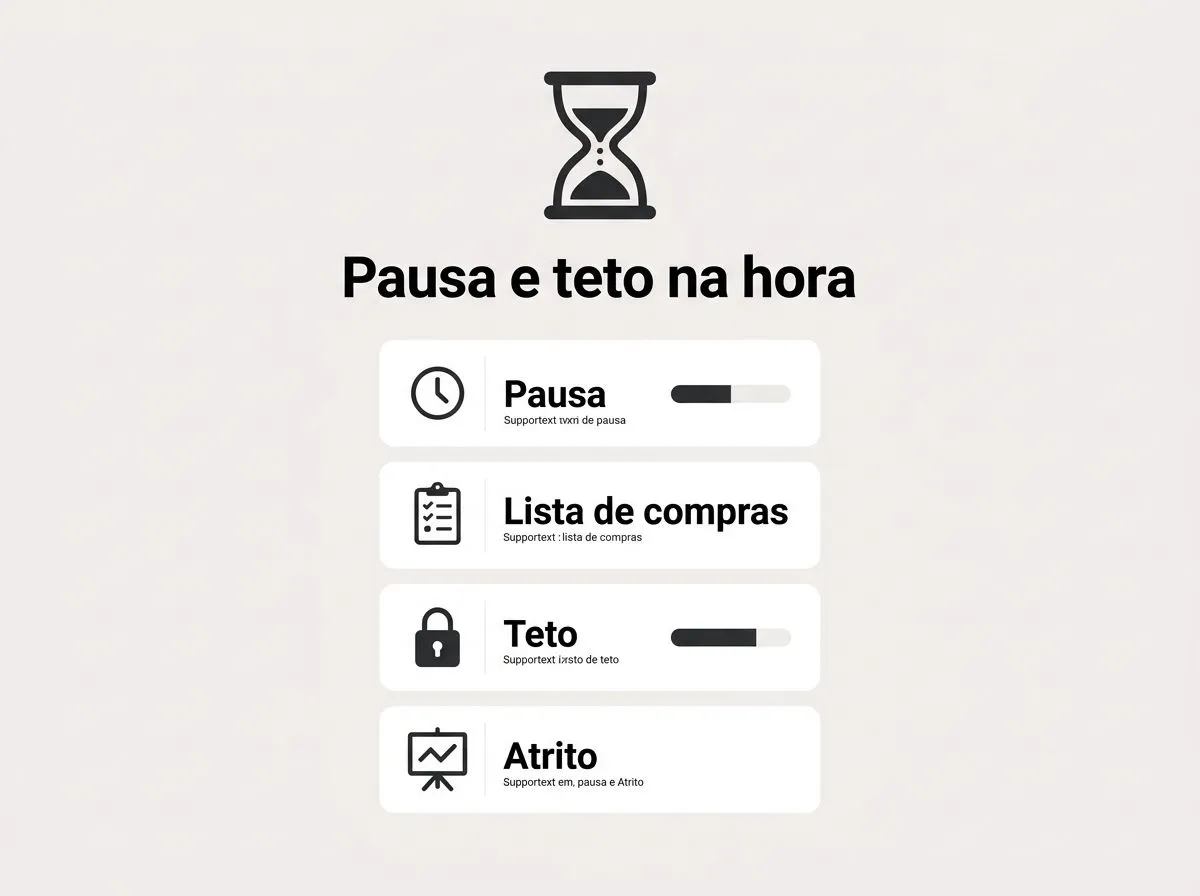
- Step away from the screen for a few minutes before completing the purchase. The pause cuts through the sense of urgency and often shows whether you still want the item once the stimulus loses its power.
- Check a shopping list and spending limit that you set before opening the store or app. If the item was not on the list or exceeds the limit, the decision is not to buy it.
- Review the cart calmly and look at the final total, not just the product price. Shipping, delivery time, and any applicable fees can change the math and make the purchase a poor fit for your budget.
- Remove your saved card or require extra authentication to pay. When payment is too fast, you are more likely to make a poor decision.
- Use a simple rule: only buy the item if it still makes sense after the pause. If your interest fades, the purchase was driven by impulse, not need.
These steps work because they add friction in the exact places where stores try to eliminate it. The point isn’t to ban shopping. It’s to slow down long enough to reconsider the price, usefulness, and timing. If you tend to buy on the first impulse, the fix probably isn’t more willpower. Add more friction to the process instead.
What a credit card does to an impulse purchase
A credit card can make a small purchase much more expensive if you don’t pay the balance in full by the statement due date.
According to the Consumer Financial Protection Bureau, with most credit cards, carrying a balance from one month to the next means new purchases begin accruing interest on the transaction date. That can happen even if you also have a balance transferred at a promotional rate.
If you normally use the grace period by paying your full balance by the due date, leaving any balance unpaid can take that benefit away.
In practice, a low payment or an “I’ll deal with it later” attitude can conceal the real cost. An interest-free installment purchase is one situation. A purchase that carries finance charges is another, and your statement may not make the difference obvious until your budget is already under pressure. A frequent mistake is focusing on the first payment and overlooking the total amount you’ll pay.
Small purchases can also pile up throughout the month. A subscription, a beauty product, an accessory, and a shipping charge might look harmless separately, yet they all take up space on the next statement. If you carry a balance or pay late, the issue is no longer just the impulse purchase. It becomes an ongoing finance cost.
Rights and options for disputing an online purchase
| Situation | Who to contact | Deadline or timing | What generally applies | Practical note |
|---|---|---|---|---|
| Recent online purchase, with shipping not yet completed | Store | Right after the purchase or before shipment | Cancellation may be easier if the order has not moved forward yet | Keeping receipts and acting quickly can help prevent a larger dispute |
| Purchase made outside a store, where the right to cancel applies | Store | Within the legal deadline that applies to the situation | Consumers may request a cancellation under the rule for purchases made outside a physical store | Confirm how the store accepts the request and save the confirmation number |
| Unrecognized charge, fraud, or unauthorized use of the card | Card issuer | As soon as you notice the transaction | A dispute, fraud investigation, and possible chargeback may be options | The sooner you report it, the better your chances of preventing further damage |
| Product not delivered, delivered differently from the listing, or left unresolved by the store | The store and, if necessary, the card issuer | After trying to resolve the issue with the seller and gathering evidence | There may be a commercial dispute and, in some cases, a card dispute | Screenshots, emails, and the order number strengthen the complaint |
The Consumer Protection Code provides the basis for canceling purchases made outside a commercial establishment, which often covers a substantial share of e-commerce. If the store hasn’t shipped the order, contacting it directly will usually be the quickest way to cancel. For an improper charge, fraud, or an item that never arrived, the card issuer becomes central to the dispute. It can investigate the claim and, when appropriate, start a chargeback.
How to create a simple plan to buy less on impulse
- Create your shopping list before opening stores and apps. This reduces the chance that you will go in just to “take a look” and leave with something you did not need.
- Set a waiting period for nonessential purchases. If you still want the item after the pause, you can decide more clearly; if the urge disappears, the purchase was probably unnecessary.
- Think of everyday purchases and occasional purchases separately. This division helps you see how each expense affects your monthly budget.
- Turn off notifications and review permissions that push offers, repeat purchases, and reminders. Fewer alerts mean fewer triggers.
- Review your subscriptions and saved cards regularly. Every payment shortcut increases the chance that you will decide too quickly.
- Repeat the pause rule until it becomes a habit. The benefit comes less from one major effort and more from small, consistent interruptions.
This plan works best as a routine, not a punishment. Impulse purchases feed on convenience, haste, and distraction, so your solution should target those same pressure points. If a store wants you to decide in seconds, give yourself a few minutes instead.
Protecting your online budget depends less on “having discipline” and more on setting up barriers before the urge arrives. People who use a list, a spending limit, a pause, and a cart review tend to shop more thoughtfully and make fewer credit card mistakes. Once a purchase turns into regret, move quickly with the store and your bank, and keep every piece of documentation.
Frequently asked questions
Does impulse buying online give you the right to cancel immediately?
Not automatically. The right next step depends on the purchase type, the order’s status, and the rules that apply. Check the delivery timeframe, the store’s policy, and the rights available for online purchases before deciding what to do.
Does saving your card on a website really increase the risk of overspending?
Yes, because it makes checkout easier and faster. The article identifies this as one of the shortcuts that can speed up a decision and encourage less thoughtful purchases, particularly when you’re already facing urgency, a flash sale, or a limited-time shipping offer.
What should you do if the purchase has already appeared on your credit card statement?
Start by checking whether you can still cancel through the store or use your right to return the purchase. Also confirm that you actually made the transaction. If the charge is fraudulent, the card use was unauthorized, or the product never arrived, contact the card issuer as soon as you can. Disputes are generally more effective when reported promptly, especially when you keep your documentation.
Does paying in installments avoid credit card interest?
Not always. Interest-free installment plans may be available, but the cost can change substantially if you carry a balance, pay late, or incur fees on your statement. In those situations, focusing only on the installment amount can hide the total cost. Review the statement carefully so you don’t mistake convenient payments for a purchase with no cost.