7 Legitimate Ways to Earn Extra Money Online Without Upfront Investment
You can earn extra money online without paying upfront, but most options still come with indirect costs. You’ll spend time, use internet access and a cell phone, and may eventually need a paid tool as the work grows. The important part is separating legitimate opportunities from get-rich-quick promises, checking where fees might appear, and choosing work that fits your routine. This guide leaves out miracle resale schemes and guaranteed earnings because they aren’t dependable sources of side income.
Key Takeaways
- Microtasks can get you started within a few days, but they usually pay less at first.
- Freelancing and on-demand services require a portfolio, and your first sale may take weeks.
- Formalizing the business becomes relevant once the activity turns into a regular operation and may require issuing invoices.
- If a platform charges you to unlock work, stop and investigate before proceeding.
How to Identify a Legitimate Way to Earn Extra Money Online
- With a legitimate offer, the client pays for the service or product delivered. They do not charge you to unlock work.
- Membership fees, upfront payments to get started, promises of easy profits, and artificial urgency are warning signs.
- Read the assignment carefully: it should explain what you will do, how long it will take, how payment works, and what the delivery requirements are.
- Before accepting, verify the company's identity, business registration or tax ID, official channels, and payment policy. If the offer came through an app, marketplace, or email, look for the brand's official domain and profile.
7 Legitimate Options to Get Started Without a Large Upfront Investment
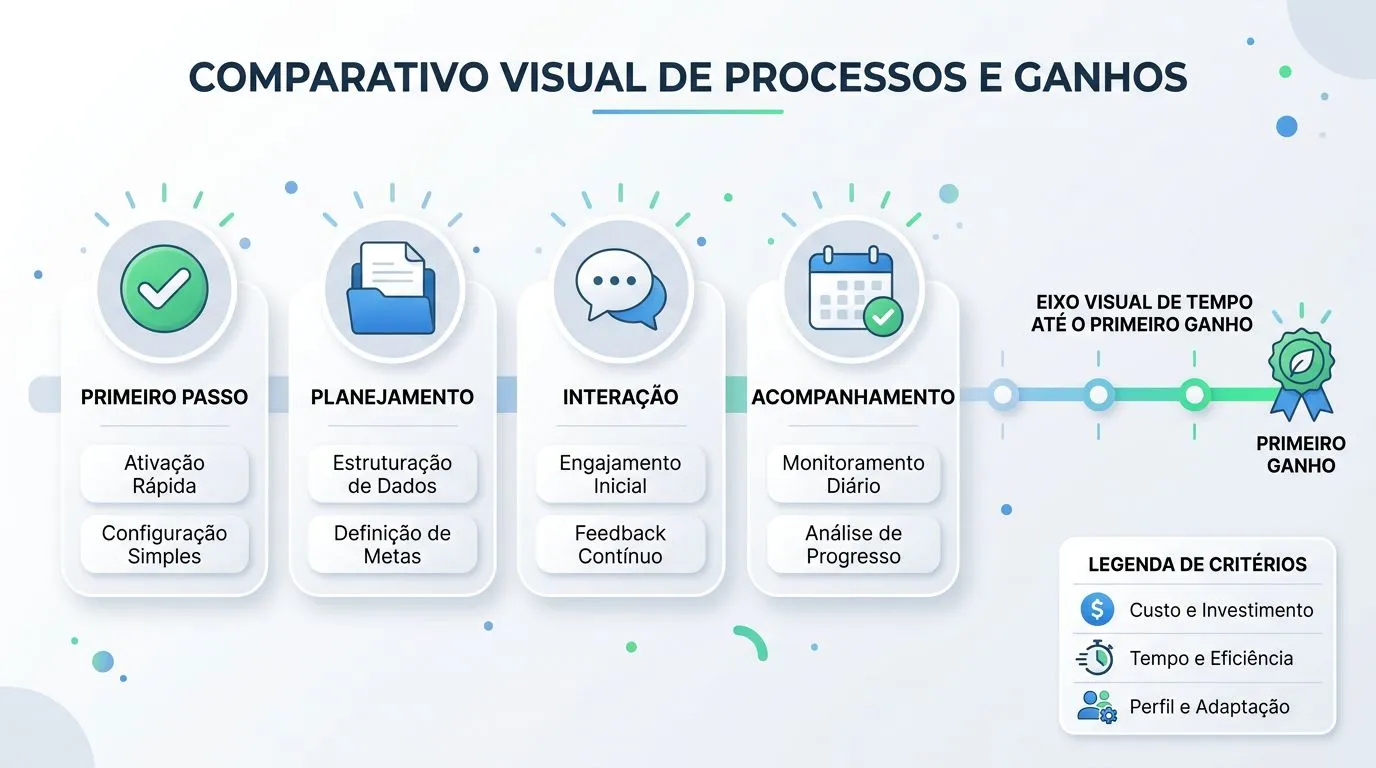
| Side-income option | What you actually do | Possible upfront costs | Time until your first earnings | Best fit for |
|---|---|---|---|---|
| Microtasks and simple routines | Classifying data, transcribing short passages, validating content, reviewing information, or completing small tasks on platforms | Generally no upfront cost, although you may spend money on internet access and a device you already own | It can be quick, sometimes taking just a few days, depending on the platform and available work | People who want to start with short tasks and are comfortable earning less at first |
| Freelancing | Writing, designing, video editing, programming, translating, proofreading, or providing occasional customer support | A simple portfolio, a free tool to start, and possibly a software subscription later | It usually takes longer to land your first assignment because it depends on submitting a proposal and getting approved | People who already have a marketable skill and can show examples of their work |
| On-demand digital services | Managing social media, creating captions, proofreading, providing operational support, or organizing remote workflows | Free tools at first, followed by possible costs for apps, storage, or automation | It can vary widely, from the first week to several weeks | People who can stick to a routine and communicate deadlines clearly |
| E-commerce support | Adding products, writing descriptions, responding to customers, and organizing orders | Usually no investment is needed to get started, but you may need a spreadsheet, a reliable internet connection, and close attention to deadlines | It can be relatively quick when a store needs immediate help | People who are organized and enjoy repetitive tasks with clear rules |
| Content creation and affiliate marketing | Create useful content and recommend products or services through affiliate links | You can start without an upfront investment, although images, editing, and your own domain may cost money later | It is usually slower because it depends on building an audience and trust | People who are patient enough to build an audience and publish consistently |
| Tutoring, consulting, or guidance | Tutor someone one-on-one, review assignments, help with using tools, or teach a specific skill | Almost always low, sometimes requiring only video conferencing and your own materials | Generally faster if you already have a reputation or a referral | People who have expertise in a subject and can explain it clearly and objectively |
| Niche digital reselling or brokerage | Organize the offer, promote it through your own channels, and connect customers with suppliers without holding physical inventory | You may need basic branding, a promotional channel, and possibly paid ads later on | It depends on the niche, but the first sale usually requires testing and refining the offer | People who know how to sell, target an audience, and maintain active communication |
How to start from scratch without falling into traps
- Choose an activity that fits the time you have available, the skills you already possess, and the device you already use.
- Confirm whether the platform or client charges a fee to join, activate an account, or unlock assignments. If it does, stop and investigate.
- Map out costs that may arise later, such as internet, phone service, tools, software subscriptions, or brokerage fees.
- Start with a small task, track the time, return, and difficulty, and only then expand your offer.
- Record what was promised, what was delivered, and when payment is due to avoid confusion later.
When extra income needs to be formalized
Formalization starts to matter once the work becomes routine, you plan to keep doing it, and clients begin asking for a more organized setup. If you work with businesses, they may require an invoice. That changes the way you operate: you’ll need to separate revenue from costs more carefully and keep track of when payments arrive.
MEI is the best-known starting point for many people who qualify for the permitted occupations and want to keep the business simple. Before registering, check the official requirements with the Brazilian Federal Revenue Service and the Portal do Empreendedor. Sebrae can also offer practical guidance on whether formalization fits your situation. Registering isn’t money thrown away. It’s a way to match your business setup to the activity’s volume, revenue, and client profile.
In practice, three signs usually guide the decision: how often you work, whether clients require an invoice, and whether you expect the activity to continue. An occasional service for an individual may stay relatively simple. Once you begin selling regularly, accepting payments from a business, or issuing invoices on a consistent basis, organizing the activity early can save you trouble later.
Common risks and how to protect yourself before accepting an offer
- Be wary of requests for upfront payment, mandatory material purchases, or a deposit to unlock access.
- Watch out for screenshots, unverified testimonials, and promises of quick income accompanied by pressure to decide immediately.
- Avoid moving off the platform when the offer came through a marketplace, website, or app with its own rules.
- Check whether the profile or company has a verifiable identity, official channels, and a consistent track record.
- Only send documents and banking information after confirming the contractor's legitimacy and understanding how payment will be made.
What determines whether a good idea becomes a bad start
Choose the option that fits your current skills, available time, and the level of formality your client expects. Need to start quickly? Microtasks, operational support, and simple services are usually easier to begin. If you already have a specific skill, freelance work, classes, and digital services may be a better fit because they build on something you already know how to deliver.
The most expensive mistake is jumping in on excitement, then realizing the offer requires a fee, a paid tool, or registration you weren’t prepared to handle. Activities that depend on scale, content, and consistency may take longer to produce a first sale, but they can become more stable over time. Work built around fast, repetitive tasks usually pays less per task, though you gain experience sooner.
Don’t spend weeks hunting for the perfect option. Pick one you can test within a week, without committing money and with clear payment terms. Then compare three details: the time it took, the hourly pay, and whether the offer seems trustworthy enough to try again. That quick check can protect you from an obvious scam and from getting carried away with an offer that doesn’t add up.
Frequently asked questions
How long does it take to receive your first payment from online side income?
The answer depends on the type of work and on how the platform releases payments. Microtasks, e-commerce support, and on-demand work may generate income within a few days or during the first week. Freelance work, content creation, and affiliate marketing often take longer because they involve approval, delivery, and time spent building trust.
Can you earn extra income using only a cellphone?
Yes, for certain types of work. Microtasks, customer support, operational assistance, and some content jobs can be handled with a cell phone. The limits become obvious when the device is slow, the internet connection keeps dropping, or the task calls for heavier tools, editing, or detailed organization. That’s when the workflow starts to drag.
Do I need to register as a sole proprietor for any extra income?
No. With occasional services, especially those provided to individuals, you can generally keep working without formally registering a business. Registering as a sole proprietor tends to make more sense once the work becomes regular, you plan to continue it, and clients begin requesting invoices, particularly business clients.
How can I tell whether a platform is trustworthy before signing up?
Check who runs the company, whether it has an official business registration, and whether its contact channels, terms, and payment policy are clear. Be especially cautious if you’re asked to pay a fee to get started, unlock an account, or access assignments. A legitimate opportunity pays you for completed work, not for the privilege of joining.